









 0
0
 0
0
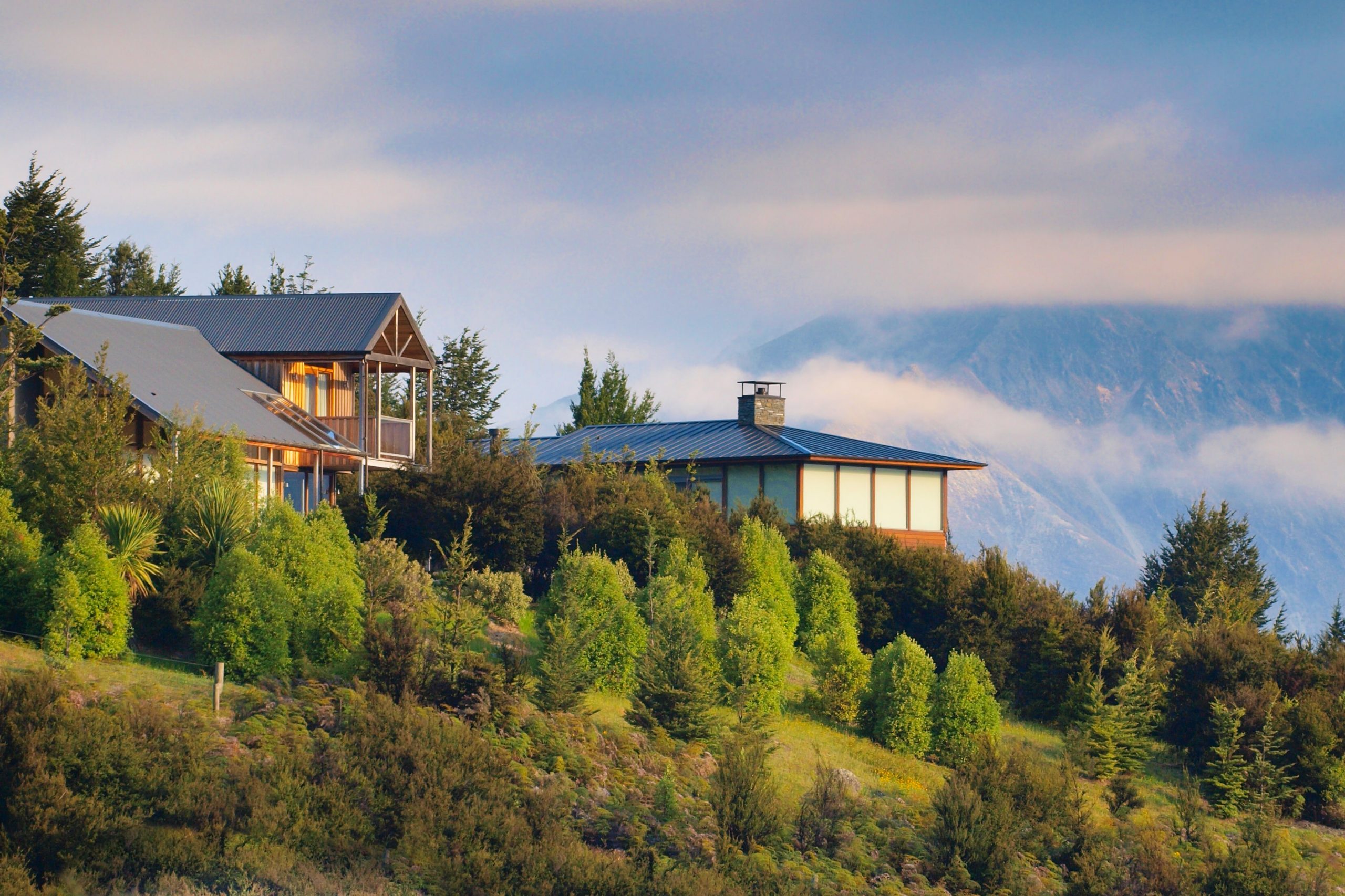
Constructing a house on a mountain slope offers breathtaking views, privacy, and a strong connection to nature, but it also comes with unique challenges that flat-land construction does not face. Sloped terrain affects everything from foundation design and drainage to access, safety, and long-term maintenance. Without proper planning, hillside homes can face issues such as soil erosion, water damage, structural instability, and difficult accessibility. However, when designed correctly, a mountain slope house can be both safe and visually stunning, blending naturally with the landscape rather than fighting against it. Successful hillside construction requires careful site evaluation, smart architectural choices, and collaboration with experienced professionals. It also demands respect for the environment and local building regulations. This guide explains essential tips for constructing a house on a mountain slope, focusing on stability, functionality, sustainability, and comfort. Whether planning a full-time residence or a vacation retreat, these insights help homeowners make informed decisions and avoid costly mistakes.
Conduct a Detailed Site and Soil Assessment First
Before any design work begins, a thorough site assessment is critical when building on a mountain slope. Sloped land behaves differently from flat terrain, especially when it comes to soil movement, water flow, and load-bearing capacity.
Geotechnical testing helps determine soil type, stability, and drainage behavior. Some slopes may have loose soil, rock layers, or clay that expands with moisture. These factors directly influence foundation design and construction costs. Ignoring soil conditions can lead to structural cracks or long-term instability.
Slope angle is another important consideration. Steeper slopes require more complex engineering solutions such as retaining walls or deep foundations. Natural features like trees, rock formations, and existing drainage paths should also be studied carefully.
Local climate plays a role as well. Areas with heavy rainfall, snow, or seismic activity need additional safety planning.
In many home and garden hillside house construction tips, site assessment is described as the most important step. A well-understood site allows architects and engineers to design a house that works with the land rather than against it.
Choose the Right Foundation System for Stability
Foundation design is one of the most critical aspects of hillside construction. A standard slab foundation is rarely suitable for sloped land. Instead, specialized foundation systems are used to anchor the house securely into the slope.
Common options include stepped foundations, pier-and-beam systems, or reinforced concrete stilts. These designs distribute weight evenly and reduce pressure on the slope. Deep foundations may be necessary for steeper or less stable terrain.
Retaining walls often play a major role. They help hold soil in place and prevent erosion. Proper drainage behind retaining walls is essential to avoid water buildup that can cause failure.
Foundation design should always be handled by licensed structural engineers familiar with hillside construction. Cutting corners in this area can compromise the entire structure.
In many practical home planning insights, foundation quality is emphasized as a long-term investment. A strong foundation protects the home from shifting soil, water damage, and structural stress over time.
Design the House to Follow the Natural Slope
One of the smartest design approaches for mountain slope homes is to follow the natural contour of the land. Forcing a flat layout onto steep terrain often increases excavation costs and environmental impact.
Split-level or terraced designs work especially well on slopes. These layouts allow the home to step down the hill gradually, reducing the need for excessive retaining walls and earth removal. They also create interesting interior spaces and maximize views.
Floor plans should consider access points carefully. Entryways may be located on upper levels, while living spaces open toward the view below. Stair placement and circulation must be planned for comfort and safety.
Outdoor spaces such as decks, balconies, and terraces are excellent additions to hillside homes. They provide usable outdoor areas without altering the slope drastically.
In many home and garden hillside house construction tips, slope-adaptive design is praised for both aesthetics and efficiency. Homes that blend with the terrain tend to feel more natural and require less long-term maintenance.
Prioritize Drainage and Water Management Systems
Water management is one of the biggest challenges when building on a slope. Gravity naturally directs water downhill, which can create serious problems if not managed correctly.
A comprehensive drainage system should include surface drainage, subsurface drains, and proper grading around the home. Water should be directed away from foundations, retaining walls, and living spaces at all times.
Roof drainage is equally important. Gutters and downspouts should channel water safely into drainage systems rather than allowing runoff to flow freely down the slope. Poor roof drainage can accelerate erosion and damage landscaping.
Permeable surfaces such as gravel paths or permeable pavers help reduce water runoff. Landscaping should also support drainage, using plants with strong root systems to stabilize soil.
In many practical home planning insights, drainage is described as non-negotiable for hillside homes. Effective water control protects both the structure and the surrounding environment.
Plan Access, Roads, and Safety Features Carefully
Access is often overlooked during hillside construction planning. Steep terrain can make driveways, walkways, and emergency access more complicated than expected.
Driveways should have manageable slopes and adequate traction. Sharp turns and steep gradients require careful design to ensure safety, especially in wet or icy conditions. In some cases, switchback driveways may be necessary.
Walkways and stairs should include handrails, non-slip surfaces, and adequate lighting. Safety becomes even more important in mountain areas where weather conditions can change quickly.
Emergency access for fire trucks or ambulances should also be considered, especially in remote locations. Local building codes often include specific requirements for hillside access.
In many home and garden hillside house construction tips, access planning is emphasized as a quality-of-life issue. A beautiful home loses appeal if daily movement feels difficult or unsafe.
Use Materials and Construction Methods Suited for the Environment
Material choice plays a major role in hillside construction success. Mountain environments often expose homes to wind, moisture, temperature changes, and sunlight intensity.
Durable materials such as reinforced concrete, treated wood, stone, and weather-resistant metals perform well in these conditions. Exterior finishes should be chosen for longevity and low maintenance.
Lightweight construction materials may be beneficial in some cases, as they reduce stress on the foundation. Energy-efficient insulation and windows help manage temperature variations common in mountainous regions.
Sustainable building practices are especially valuable on slopes. Minimizing excavation, preserving vegetation, and using local materials reduce environmental impact and often improve long-term stability.
In many practical home planning insights, material selection is described as a balance between durability and environmental harmony. The right materials protect the home while respecting the landscape.
Conclusion
Building a house on a mountain slope requires careful planning, technical expertise, and respect for the natural environment. Success begins with a detailed site and soil assessment that guides foundation design and structural decisions. Choosing the right foundation system ensures long-term stability, while slope-adaptive architecture allows the home to blend naturally with the terrain. Proper drainage and water management protect the structure from erosion and moisture-related damage, which are common risks on sloped land. Thoughtful planning of access, safety features, and circulation improves daily comfort and usability, especially in challenging weather conditions. Finally, selecting durable, climate-appropriate materials supports longevity and sustainability. While hillside construction presents challenges, it also offers unique rewards when done correctly. With informed decisions and experienced professionals, a mountain slope home can be safe, functional, and visually stunning—providing a peaceful living space that fully embraces its natural surroundings.


