









 0
0
 0
0
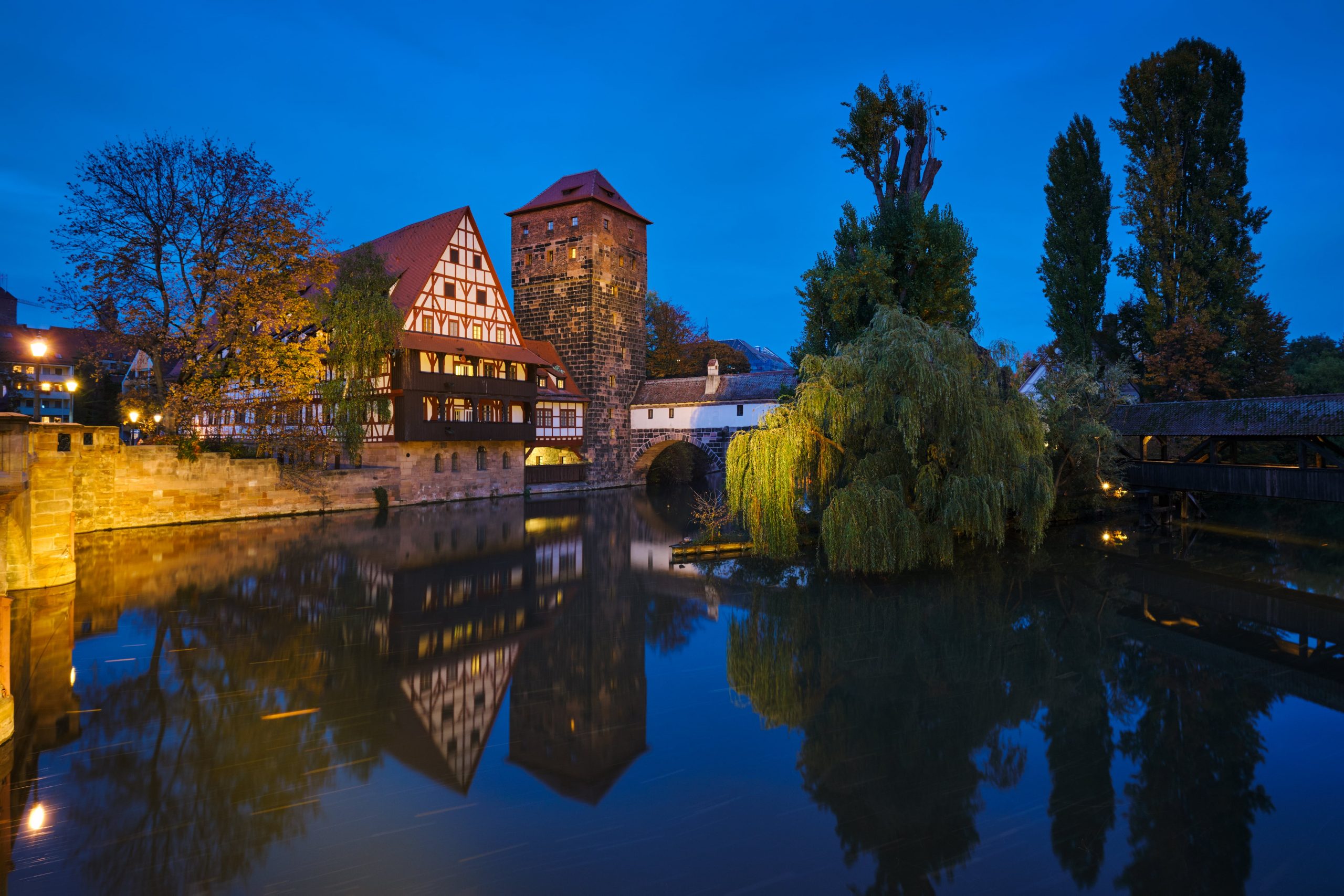
Building a house near a river offers natural beauty, peaceful surroundings, and a strong connection to nature. Riverside homes often provide scenic views, cooling breezes, and a relaxing lifestyle that many homeowners desire. However, living close to water also comes with unique risks and responsibilities that must be addressed before construction begins. Flooding, soil erosion, moisture damage, and environmental regulations can significantly affect both safety and long-term maintenance. Without careful planning, a riverside home can face structural issues and costly repairs. When designed properly, though, a house near a river can be safe, sustainable, and highly rewarding. Successful riverside construction requires understanding the land, respecting natural water movement, and following local building codes. This guide explains how to build a house near a river with a focus on safety, durability, and environmental responsibility. From site selection and foundation planning to drainage, materials, and flood protection, these tips help homeowners make informed decisions and enjoy riverfront living with confidence.
Study the River Behavior and Flood History
Before designing or building anything near a river, understanding how the river behaves is essential. Rivers change over time due to seasonal rainfall, storms, snowmelt, and long-term environmental shifts. Flood history provides valuable insight into potential risks.
Local flood maps, historical data, and community records help identify flood-prone zones. Some areas may appear calm most of the year but experience severe flooding during heavy rains. Knowing the highest recorded water levels is crucial when determining building elevation.
Riverbanks can also shift due to erosion. Fast-moving water gradually wears away soil, which can undermine foundations if not addressed. Observing signs of erosion, vegetation patterns, and sediment buildup helps assess stability.
Climate trends should also be considered. Increased rainfall or changing weather patterns may raise future flood risks.
In many home and garden riverside house construction tips, river behavior analysis is described as the foundation of safe planning. Building without this knowledge increases long-term risk significantly.
Choose a Safe Building Location and Setback Distance
Selecting the right spot on the property is one of the most important decisions when building near a river. Even within the same parcel of land, flood risk and soil stability can vary greatly.
Building farther from the riverbank generally reduces exposure to flooding and erosion. Many local governments require minimum setback distances to protect structures and preserve natural waterways. These regulations should be followed strictly.
Higher ground within the property is usually safer. Elevation reduces flood exposure and improves drainage. Avoid low-lying areas where water naturally collects during heavy rain.
The building site should also allow space for future protective measures such as landscaping buffers or retaining features. Preserving natural vegetation near the riverbank helps stabilize soil and reduce erosion.
In many practical home planning insights, proper site placement is considered one of the most cost-effective safety measures. A well-chosen location can prevent expensive structural problems later.
Design a Foundation That Handles Moisture and Flood Risk
Foundation design is critical for riverside homes due to higher moisture levels and potential flooding. Standard foundations may not provide enough protection in these conditions.
Raised foundations are commonly recommended. Elevating the house above expected flood levels helps protect living spaces from water damage. Pier-and-beam or stilt foundations allow water to flow underneath without putting pressure on the structure.
Flood-resistant materials such as reinforced concrete and treated wood should be used in foundation systems. Proper sealing and waterproofing help prevent moisture intrusion and mold growth.
Soil conditions near rivers can be soft or unstable, requiring deeper footings or specialized engineering solutions. A geotechnical assessment helps determine the best foundation approach.
In many home and garden riverside house construction tips, foundation strength is described as non-negotiable. A well-designed foundation protects both the house and its occupants during extreme weather events.
Prioritize Drainage and Water Management Systems
Effective drainage is essential when building near a river. Poor water management can lead to flooding, foundation damage, and erosion around the home.
Surface drainage should direct rainwater away from the house and toward safe discharge areas. Sloping the ground away from the foundation helps prevent water pooling. Subsurface drainage systems can manage groundwater and reduce pressure around the structure.
Roof drainage must also be carefully planned. Gutters and downspouts should channel water far from the foundation, ideally into designated drainage paths or rainwater collection systems.
Landscaping can support drainage by using permeable surfaces, gravel paths, and plants with deep root systems. Avoid impermeable surfaces that increase runoff toward the river.
In many practical home planning insights, drainage is highlighted as one of the most important long-term protection strategies. Proper water control significantly reduces maintenance and repair costs.
Follow Environmental Regulations and Respect the Ecosystem
Building near a river often involves strict environmental regulations designed to protect waterways and surrounding ecosystems. These rules may affect building size, materials, setbacks, and landscaping choices.
Permits are usually required before construction begins. Environmental assessments may be necessary to ensure the project does not harm water quality, wildlife habitats, or natural flow patterns.
Preserving existing vegetation along the riverbank is often encouraged or required. Trees and plants help stabilize soil, reduce erosion, and support local ecosystems. Removing them can increase flood risk and environmental damage.
Construction practices should minimize disturbance to the river. Proper waste management and erosion control during building are essential to prevent pollution.
In many home and garden riverside house construction tips, environmental responsibility is emphasized not only for legal compliance but also for long-term sustainability. Respecting the river helps protect the home itself.
Select Materials and Designs Suitable for Riverside Living
Material selection plays a major role in how well a riverside house performs over time. Moisture-resistant and durable materials are essential due to higher humidity and potential water exposure.
Exterior finishes such as stone, treated wood, fiber cement, and metal roofing perform well near water. These materials resist rot, corrosion, and weather damage better than standard options.
Interior design should also consider moisture control. Proper insulation, vapor barriers, and ventilation help prevent mold and maintain indoor comfort.
Energy efficiency is another consideration. Riverside locations may experience temperature fluctuations, so well-insulated walls and energy-efficient windows improve comfort and reduce energy costs.
In many practical home planning insights, smart material choices are described as a long-term investment. Durable, climate-appropriate materials help riverside homes remain safe, comfortable, and visually appealing.
Conclusion
Building a house near a river can be a rewarding experience when approached with careful planning and respect for natural conditions. Understanding river behavior and flood history lays the groundwork for informed decisions, while selecting a safe building location and proper setback distance reduces long-term risk. A well-engineered foundation and effective drainage systems protect the structure from moisture and flooding, which are common challenges in riverside environments. Following environmental regulations and preserving natural vegetation not only ensures compliance but also supports ecosystem health and soil stability. Choosing durable, moisture-resistant materials further enhances safety and longevity. While riverside living presents unique challenges, thoughtful design and responsible construction make it possible to enjoy scenic views and a peaceful lifestyle without compromising safety. With the right strategies and professional guidance, a house near a river can be both beautiful and resilient for years to come.


