









 0
0
 0
0
Spa treatments are often associated with luxury, but they can also offer real health and wellness benefits when approached as part of a balanced self-care routine. Many people visit spas to relax, relieve stress, and feel refreshed, yet the effects can go deeper than simple comfort. Massage therapy, heat treatments, body scrubs, and wellness services may support muscle recovery, circulation, sleep quality, and emotional well-being. In today’s fast-paced lifestyle, stress and tension can build up quietly, affecting both physical health and mental clarity. Spa visits provide an intentional space for rest, recovery, and nervous system regulation—something many people struggle to prioritize. While spas are not a replacement for medical care, they can support overall wellness in meaningful ways, especially when combined with healthy habits. This article explores how spas can improve health, focusing on realistic and evidence-based benefits such as stress reduction, pain relief, skin care, better sleep, and improved mood. It also explains how to choose spa services safely and get the most value from each visit.
Stress Reduction and Nervous System Reset
One of the biggest health benefits of going to a spa is stress reduction. Stress is not just an emotional issue—it affects hormones, digestion, sleep, immune response, and even heart health. Spa treatments help reduce stress by encouraging the body to shift out of “fight or flight” mode and into a calmer state.
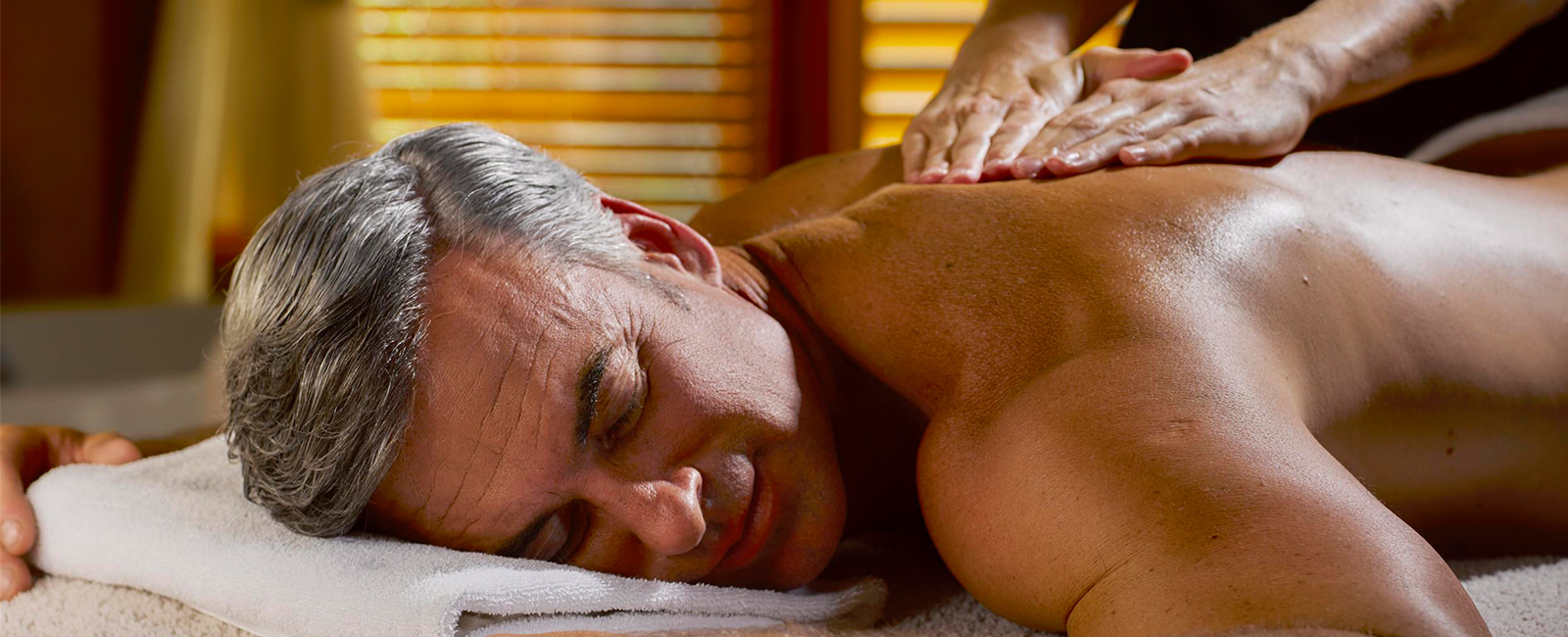
Massage therapy is especially effective for this. Physical touch, gentle pressure, and rhythmic movement can relax tense muscles while also lowering stress-related tension in the body. Many people feel mentally clearer after a massage because the body is no longer holding constant physical strain.
Spa environments also contribute to relaxation. Soft lighting, quiet rooms, and calming scents create a sensory experience that supports emotional regulation. Even a short spa visit can feel like a mental reset for people who feel overwhelmed.
In many health and beauty spa wellness benefits discussions, stress reduction is described as the most immediate and noticeable improvement. When stress levels drop, the body often responds positively in multiple areas.
Muscle Relief, Pain Reduction, and Better Mobility
Spa treatments can also support physical comfort by easing muscle tension and reducing pain. Many people carry tightness in the neck, shoulders, lower back, and hips due to work posture, stress, or inactivity. Over time, this tension can cause headaches, stiffness, and reduced mobility.
Massage helps by improving blood flow and loosening tight muscles. Deep tissue massage may be beneficial for chronic tension, while gentler massages support relaxation and circulation. Some spas also offer treatments such as hot stone therapy, which uses warmth to help muscles release tension more easily.
Heat-based treatments like saunas and steam rooms can also support muscle relaxation. Heat increases circulation and may help reduce stiffness after physical activity. This is why athletes and fitness-focused individuals often use spa treatments for recovery.
In many everyday self-care insights, spa therapy is described as a wellness tool for the body, not just a luxury. Regular muscle care can improve comfort, posture, and overall movement.
Improved Circulation and Reduced Physical Tension
Good circulation supports energy, recovery, and overall health. Spa treatments often stimulate circulation through massage, heat, and hydrotherapy. When blood flow improves, oxygen and nutrients reach tissues more efficiently, which supports healing and reduces fatigue.
Massage naturally encourages circulation by applying pressure and movement to muscles and soft tissues. This can be especially helpful for people who sit for long periods or experience muscle tightness due to poor posture.
Heat therapies such as saunas and steam rooms can also improve circulation by widening blood vessels. This may support relaxation and help reduce tension. However, people with certain medical conditions should consult a doctor before using intense heat treatments.
Hydrotherapy, such as warm baths or whirlpools, also encourages blood flow and helps relax joints and muscles. The buoyancy of water reduces pressure on the body, making movement feel easier.
In many health and beauty spa wellness benefits guides, circulation support is described as one of the quieter but most valuable benefits. Better blood flow often leads to better recovery, comfort, and physical ease.
Better Sleep and Improved Recovery
Spa visits can support better sleep, especially for people who struggle with stress, anxiety, or physical discomfort. Sleep quality is closely tied to nervous system regulation. When the body is tense, sleep becomes lighter and less restorative.
Massage can promote deeper sleep by reducing muscle tension and lowering stress levels. Many people feel sleepy after a massage because the body enters a relaxed state. Heat treatments also support sleep by calming the nervous system and encouraging muscle relaxation.
Better sleep improves many aspects of health, including mood, immune strength, energy levels, and focus. Even one good night of sleep can improve emotional balance and physical performance.
Spa visits may also support recovery for people who exercise regularly. Reduced soreness, improved circulation, and relaxed muscles can help the body recover more efficiently after workouts.
In many everyday self-care insights, spa treatments are described as a “sleep support strategy.” When relaxation is prioritized, sleep often improves naturally.
Skin Health and Body Care Benefits
Spas are well-known for skin treatments, and these services can offer real benefits when done properly. Body scrubs, facials, and moisturizing treatments help remove dead skin cells, improve texture, and support hydration.
Exfoliation can make skin feel smoother and help skincare products absorb more effectively. Moisturizing body treatments support the skin barrier, which is important for preventing dryness, irritation, and dullness.
Facials can also support skin clarity and relaxation. Gentle cleansing, hydration, and massage techniques may help improve circulation in the face, leading to a refreshed appearance. However, it is important to choose treatments based on skin type and sensitivity.
Spa skin treatments should be viewed as supportive, not magical. They enhance skin care routines, but they do not replace medical dermatology for serious skin conditions.
In many health and beauty spa wellness benefits discussions, skincare treatments are considered one of the most enjoyable benefits. They help people feel refreshed and more confident in their appearance.
Emotional Well-Being, Confidence, and Mental Clarity
Beyond physical benefits, spa visits can improve emotional well-being. Many people experience mental fatigue from constant responsibilities, overstimulation, and lack of rest. A spa environment provides intentional time to disconnect and focus on the body.
This type of rest supports emotional regulation. People often leave spas feeling lighter, calmer, and more mentally clear. This can improve mood and reduce irritability.
Spa care can also support confidence. Feeling clean, relaxed, and cared for often improves self-image and emotional comfort. This is especially meaningful for people going through stressful periods or burnout.
For some individuals, spa visits become part of a wellness routine that encourages healthier habits overall. When people invest in rest, they often become more motivated to improve sleep, hydration, and stress management.
In many everyday self-care insights, spas are described as more than relaxation—they are a form of emotional maintenance. Taking care of the body often helps the mind feel stronger too.
Conclusion
Spas can improve health in meaningful ways by supporting relaxation, physical comfort, and emotional well-being. Stress reduction is one of the most powerful benefits, helping the body reset and easing the tension that affects sleep, mood, and daily energy. Massage and heat therapies can reduce muscle tightness, improve mobility, and support circulation, while hydrotherapy and calming environments help the nervous system recover from constant stimulation. Spa visits may also improve sleep quality and physical recovery, especially for people who experience chronic stress or soreness. Skin treatments such as exfoliation and hydration support a healthier skin barrier and can enhance confidence through better body care. While spa treatments are not a substitute for medical care, they can be a valuable part of a balanced wellness routine. When chosen safely and used intentionally, spa services offer both physical and mental benefits that help people feel healthier, calmer, and more refreshed in everyday life.


