









 0
0
 0
0
Starting a buffet restaurant business can be appealing for entrepreneurs who want to serve large numbers of customers with a wide variety of food options. Buffet dining attracts families, groups, and value-driven diners who enjoy choice, flexibility, and fixed pricing. When managed well, a buffet restaurant can generate strong daily traffic and consistent revenue. However, this type of business also comes with unique challenges that differ from traditional restaurants. Food waste, portion control, staffing efficiency, and inventory management require careful planning and discipline. A buffet restaurant succeeds not by offering endless food, but by balancing variety, quality, and cost control. From choosing the right concept and location to designing the buffet layout and managing operations, every decision affects profitability. This guide explains how to start a buffet restaurant business in a realistic and structured way, covering planning, setup, operations, and growth. It focuses on practical steps that help aspiring owners avoid common mistakes and build a buffet restaurant that customers enjoy and return to regularly.
Choose the Right Buffet Concept and Customer Base
The first step in starting a buffet restaurant is defining the concept clearly. “Buffet” is not a single style—it can mean many different dining experiences. Some buffets focus on international cuisine, while others specialize in local comfort food, seafood, barbecue, or themed dining.
Choosing a focused concept helps control costs and simplifies operations. For example, an Asian-style buffet may rely heavily on rice, noodles, and stir-fried dishes, while a grill buffet may emphasize proteins and sides. Each concept affects ingredient costs, kitchen equipment, and staffing needs.
Identifying the target market is equally important. Families often look for affordability and kid-friendly options. Office workers may prefer lunch buffets that are fast and reasonably priced. Tourists may value variety and presentation more than price.
Understanding when customers will visit—weekday lunches, weekend dinners, or holidays—helps shape pricing and menu planning. Buffet restaurants rely heavily on volume, so attracting the right audience at the right times is essential.
In many business and finance restaurant business startup discussions, concept clarity is described as the foundation of buffet success. A clear identity helps manage costs and attract loyal customers.
Plan a Menu That Balances Variety and Cost Control
Menu planning is one of the most critical parts of a buffet restaurant. While customers expect variety, offering too many dishes can lead to high food waste and rising costs. A successful buffet menu focuses on smart variety rather than endless options.
A common strategy is mixing high-margin items with higher-cost dishes. Rice, pasta, vegetables, soups, and bread-based items help control food costs, while premium items like meat or seafood are offered in limited quantities or rotated regularly.
Rotating menu items is another effective approach. Instead of serving everything every day, owners can change certain dishes weekly or daily. This keeps the buffet interesting without increasing inventory complexity.
Portion presentation also matters. Smaller serving trays refilled more often reduce waste and keep food looking fresh. Recipes should be standardized to maintain consistency and predict ingredient usage.
In many practical small business success tips, buffet menus are described as a financial strategy, not just a culinary one. Smart menu design protects margins while still delivering customer satisfaction.
Find a Location That Supports High Traffic and Volume
Location is especially important for buffet restaurants because they depend on steady customer flow. Unlike fine-dining restaurants, buffets need consistent volume to stay profitable.
Ideal locations include shopping areas, business districts, residential zones with families, or near tourist attractions. Visibility and accessibility are key. Customers should be able to see the restaurant easily and access it without hassle.
Parking availability is another major factor. Buffets often attract groups and families, so convenient parking increases customer willingness to visit. For lunch-focused buffets, proximity to offices or schools can drive weekday traffic.
Rent should match expected volume. A high-rent location requires strong daily sales to remain sustainable. Owners should study foot traffic patterns at different times of day before signing a lease.
In many business and finance restaurant business startup guides, location is described as one of the most decisive factors. A good location can compensate for limited marketing, while a poor one can hurt even a well-run buffet.
Design the Buffet Layout for Efficiency and Flow
Buffet restaurant layout directly affects customer experience and operational efficiency. A poorly designed buffet line can cause congestion, slow service, and frustration—especially during peak hours.
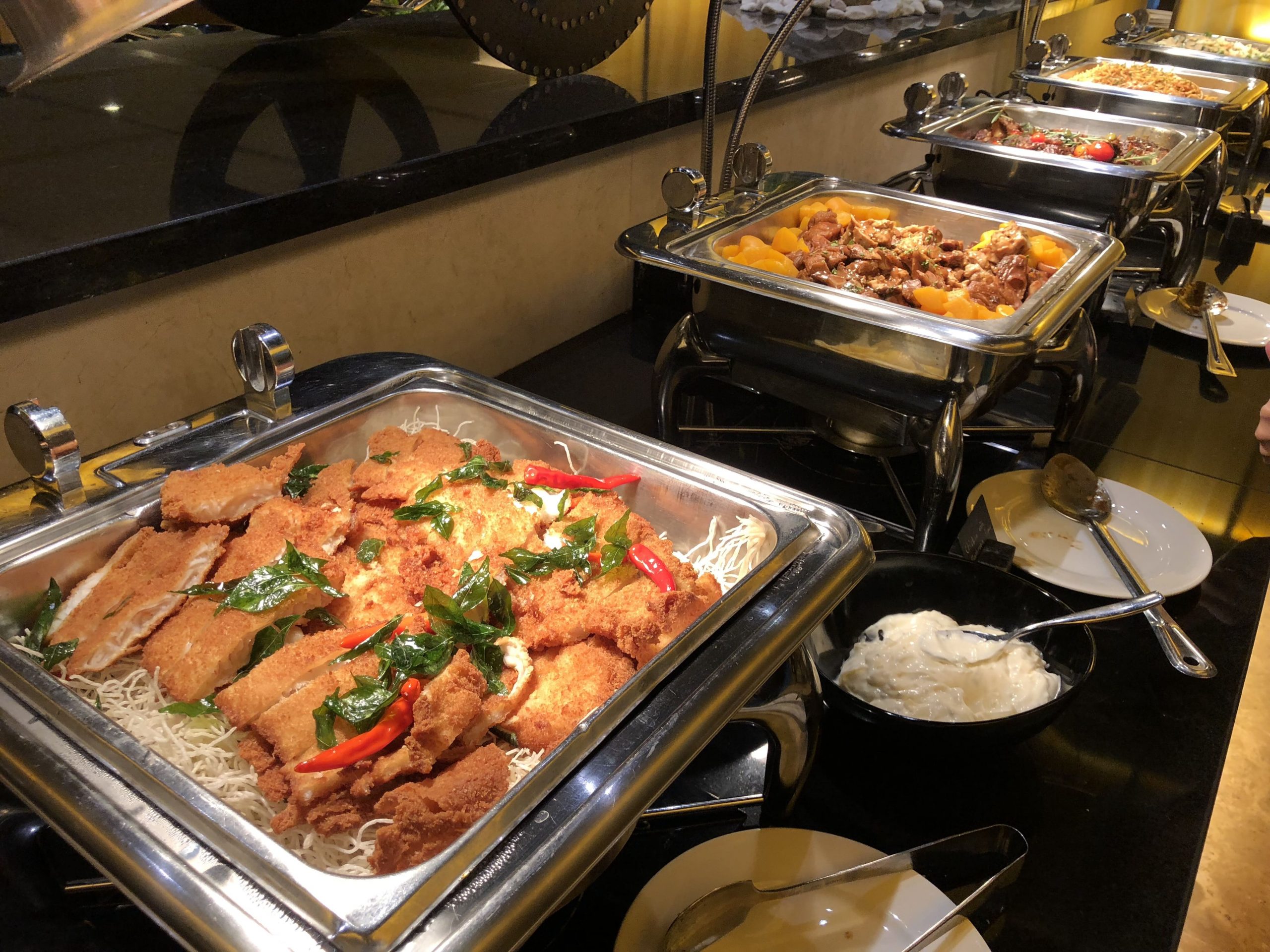
The buffet line should be easy to follow, with logical food placement. Popular items should be spaced out to prevent crowding. Plates, cutlery, and napkins should be accessible at the start of the line.
Kitchen placement also matters. The kitchen should connect efficiently to the buffet area so staff can refill dishes quickly without disrupting guests. Storage and prep areas must be organized to support frequent refills.
Seating layout should allow comfortable movement for customers carrying plates. Tables should be easy to clean and durable enough for high turnover.
In many practical small business success tips, layout planning is emphasized because it affects speed, hygiene, and customer satisfaction. A smooth flow increases capacity without increasing space.
Control Food Waste, Staffing, and Daily Operations
One of the biggest challenges in buffet restaurants is controlling food waste. Without strict monitoring, waste can quickly reduce profits. Tracking which dishes are consumed most helps owners adjust portion sizes and menu selection.
Staff training is essential. Employees should understand food handling, refilling schedules, and hygiene standards. Efficient staffing reduces labor costs while maintaining service quality.
Clear operating procedures help maintain consistency. This includes refill timing, food temperature checks, cleaning schedules, and closing routines. Technology such as inventory tracking systems can also improve accuracy.
Pricing strategy plays a role in waste control. Some buffets offer different prices for lunch and dinner or limit premium items during certain hours. These strategies help balance customer expectations with cost management.
In many business and finance restaurant business startup discussions, operational discipline is described as the difference between profitable buffets and struggling ones. Daily control prevents small losses from becoming major problems.
Build a Strong Brand and Plan for Long-Term Growth
Branding matters even for buffet restaurants. A clear brand message helps customers understand what makes the buffet special. This could be freshness, variety, affordability, or a specific cuisine focus.
Marketing doesn’t need to be expensive. Local promotions, social media photos, customer reviews, and word-of-mouth are powerful tools. Offering special deals for families, birthdays, or holidays can drive traffic during slower periods.
Once the buffet is stable, owners can explore growth options. These may include catering services, private events, menu upgrades, or opening additional locations. Growth should be based on proven systems rather than guesswork.
Consistency is key to long-term success. Customers return to buffets they trust to deliver the same quality and experience every visit.
In many practical small business success tips, sustainable growth is emphasized over rapid expansion. A well-managed buffet can remain profitable for years with the right systems in place.
Conclusion
Starting a buffet restaurant business requires careful planning, discipline, and a clear understanding of high-volume food service. Success begins with choosing the right concept and target market, followed by smart menu planning that balances variety with cost control. Location plays a critical role in attracting consistent traffic, while efficient buffet layout design improves customer flow and operational speed. Managing food waste, staffing, and daily procedures is essential to protecting profit margins, especially in a business model where small losses add up quickly. Strong branding and simple marketing help attract repeat customers, while consistent quality builds trust and long-term loyalty. Growth opportunities exist, but they should be approached gradually and supported by reliable systems. With thoughtful preparation and disciplined management, a buffet restaurant can become a sustainable and profitable business that delivers value to customers while maintaining healthy financial performance.


