









 0
0
 0
0
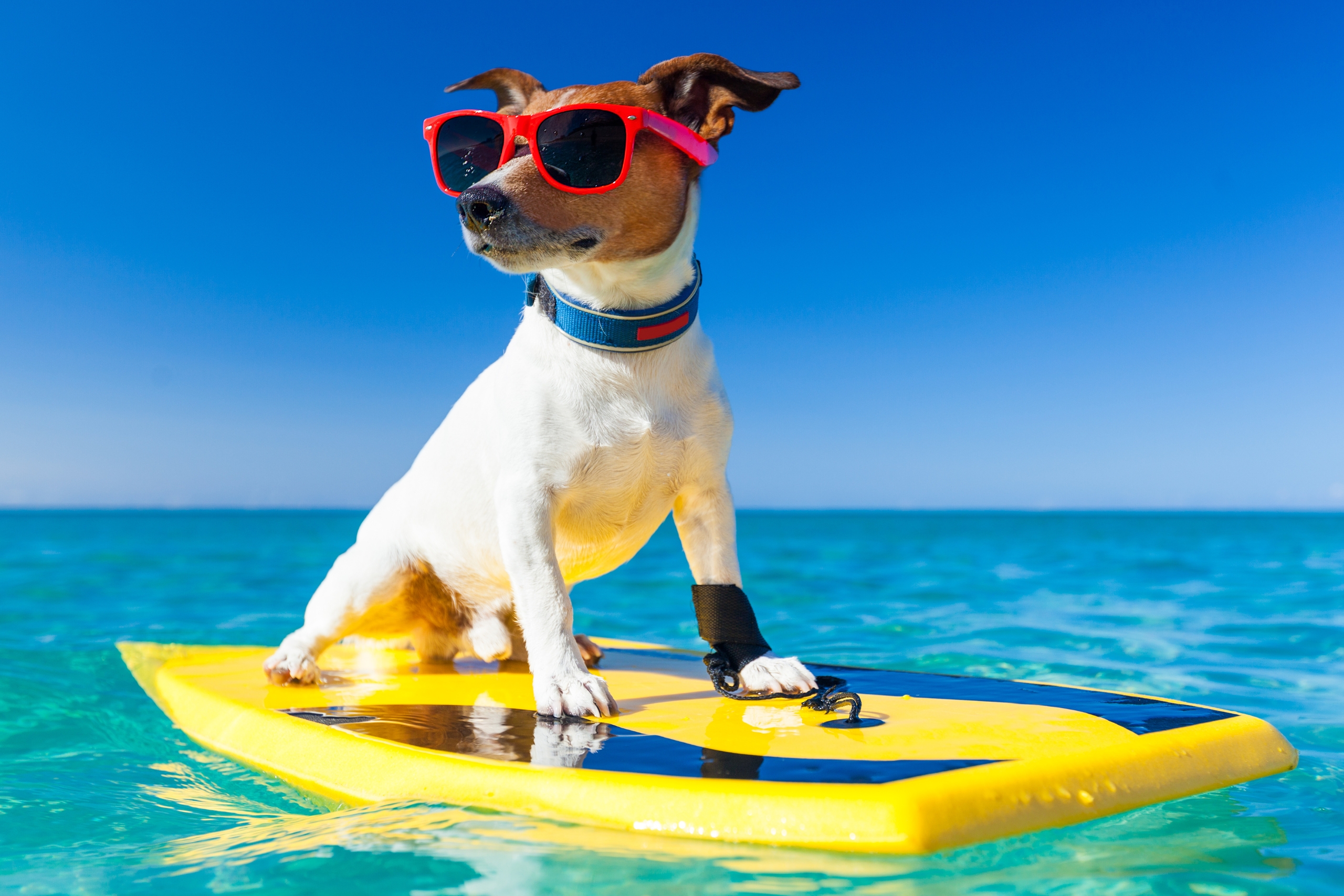
Taking pets to the beach can be one of the most enjoyable parts of a holiday. For many pet owners, it feels natural to include dogs or even adventurous cats in family trips, especially when the destination is relaxing and outdoors. However, beaches come with risks that are easy to underestimate. Heat, dehydration, sun exposure, strong waves, sand ingestion, and unfamiliar environments can quickly turn a fun day into a stressful situation. Some pets love the beach immediately, while others become anxious due to crowds, loud sounds, or the unfamiliar smell of saltwater. Responsible beach travel with pets requires preparation, patience, and awareness of safety basics. It also involves respecting local beach rules, protecting wildlife, and ensuring pets remain comfortable around other people. This article explains how to take care of pets when going to the beach for holidays, covering everything from hydration and sun protection to leash safety, swimming risks, and post-beach cleanup. With the right planning, pets can enjoy the seaside safely while owners enjoy peace of mind.
Check Beach Rules, Pet Policies, and Local Safety Conditions
Before bringing a pet to the beach, it is important to check whether pets are allowed. Many beaches have restrictions depending on season, time of day, or protected wildlife zones. Some beaches require pets to stay on a leash at all times, while others have designated off-leash areas.
Knowing the rules in advance prevents conflict and keeps the experience stress-free. It also protects local ecosystems. Some beach areas are nesting grounds for birds or other wildlife, and pets can unintentionally disturb them.
Local safety conditions also matter. Tide schedules, wave strength, and water quality advisories should be reviewed before arrival. Some beaches may have strong currents that are dangerous even for strong swimmers.
If traveling during summer, it’s also wise to check temperature and UV levels. A beach may feel breezy, but the heat can still be intense for animals.
In many pet care beach travel safety tips, preparation is described as the first step in responsible beach outings. A few minutes of research can prevent major risks later.
Prevent Heat Stroke and Dehydration in Pets
Heat and dehydration are two of the most serious beach dangers for pets. Dogs and cats regulate body temperature differently than humans, and many pets overheat quickly, especially under direct sun.
Fresh water should always be available. Pets should never be expected to drink seawater, as it can cause vomiting, diarrhea, and dehydration. A portable water bowl and frequent water breaks are essential, even for short visits.
Shade is equally important. Beach umbrellas, pop-up tents, or shaded areas help pets cool down. Without shade, pets may overheat even if they appear energetic at first.
Owners should watch for signs of overheating, such as heavy panting, drooling, weakness, vomiting, or confusion. If these symptoms appear, the pet should be moved to shade immediately and cooled gradually.
In many practical pet lifestyle guidance resources, heat safety is emphasized as the biggest priority at the beach. A fun trip can become dangerous quickly if heat risks are ignored.
Protect Pets From Sunburn and Hot Sand
Many people don’t realize pets can get sunburned. Dogs with short fur, light-colored coats, or exposed skin areas are especially vulnerable. Common sunburn areas include the nose, ears, belly, and inner thighs.
Pet-safe sunscreen can help, but it must be formulated for animals. Human sunscreen may contain ingredients that are toxic if licked. It is also important to reapply sunscreen after swimming or heavy activity.
Hot sand is another hidden danger. Sand can reach extremely high temperatures, causing burns on paw pads. Pets may not show pain immediately, but burns can become serious. A simple test is placing a hand on the sand for several seconds. If it feels too hot for a hand, it is too hot for paws.
Protective booties can help, but some pets dislike them. Visiting early morning or late afternoon often reduces heat risks.
In many pet care beach travel safety tips, paw and sun protection are described as essential, especially during summer holidays.
Keep Pets Safe Around Water and Swimming Risks
Even if a pet enjoys water, beaches can be unpredictable. Waves, strong currents, and sudden drops in water depth can be dangerous. Some dogs swim confidently in pools but struggle in ocean conditions.
Pets should never be forced into the water. Some animals become anxious or panic when waves hit them unexpectedly. A calm introduction near shallow water is safer, allowing the pet to explore at their own pace.
A pet life jacket is strongly recommended for dogs, especially small breeds, senior dogs, or dogs with short legs. Life jackets provide safety and make it easier to grab the dog if needed.
Owners should also watch for signs of fatigue. Dogs often play until they are exhausted, and swimming can drain energy quickly. Overexertion in water can lead to drowning risk.
In many practical pet lifestyle guidance discussions, ocean swimming is described as a high-risk activity that requires supervision, safety gear, and realistic judgment.
Avoid Common Beach Hazards: Sand, Shells, Trash, and Wildlife
Beaches contain hazards that pets may not recognize. Dogs often eat sand accidentally while playing or chewing toys. Too much sand ingestion can cause digestive blockage, which may require emergency veterinary care.
Sharp shells, rocks, and broken glass can cut paws. It is important to check the beach area before letting pets roam. Keeping pets close helps prevent injuries and keeps them away from dangerous objects.
Trash is another major issue. Food wrappers, fishing hooks, and leftover bones can cause choking or internal injury if swallowed. Pets should be watched carefully, especially dogs that like scavenging.
Wildlife encounters can also be risky. Birds, crabs, jellyfish, and other animals may bite or sting if disturbed. Some pets instinctively chase wildlife, which can lead to injury or legal trouble in protected areas.
In many pet care beach travel safety tips, hazard awareness is described as a key responsibility. A safe beach trip depends on active supervision, not just letting pets roam freely.
Post-Beach Cleanup: Bathing, Ear Care, and Health Checks
After a beach trip, proper cleanup is essential. Saltwater and sand can irritate the skin, dry the coat, and cause itching. Rinsing pets with fresh water helps remove salt and sand buildup.
Dogs with long fur may need extra brushing to prevent matting caused by sand. Paw pads should also be checked for cuts, burns, or trapped debris.
Ear care is especially important for dogs who swim. Moisture trapped in the ears can lead to infections. Gently drying the ears after swimming reduces risk, especially for breeds with floppy ears.
Owners should also watch for unusual symptoms after the beach, such as vomiting, diarrhea, coughing, or fatigue. These could indicate seawater ingestion, heat stress, or minor injuries.
In many practical pet lifestyle guidance resources, post-beach care is described as the final step in responsible travel. A quick rinse and health check keeps pets comfortable and prevents problems later.
Conclusion
Taking pets to the beach during holidays can be a fun and memorable experience, but it requires preparation and careful attention to safety. Checking beach rules and local conditions helps avoid problems before they begin, while hydration and shade protect pets from heat-related illness. Sunburn prevention and paw protection reduce discomfort, especially during hot weather, and water safety measures such as supervision and life jackets help prevent dangerous accidents. Beach hazards like sand ingestion, sharp shells, trash, and wildlife also require owners to stay alert and keep pets close. Finally, post-beach cleanup—including rinsing, brushing, ear drying, and basic health checks—ensures pets stay comfortable after the trip. With the right habits, beach outings can become a safe and enjoyable part of travel rather than a stressful risk. When owners treat beach visits as a shared adventure with responsibility, pets can enjoy the seaside with comfort, safety, and confidence.


